Seattle Doesn't Have a Chief Problem. Seattle Has a Leadership Problem.
WARNING: Strong language ahead.
I'm watching everyone lose their minds over one person.
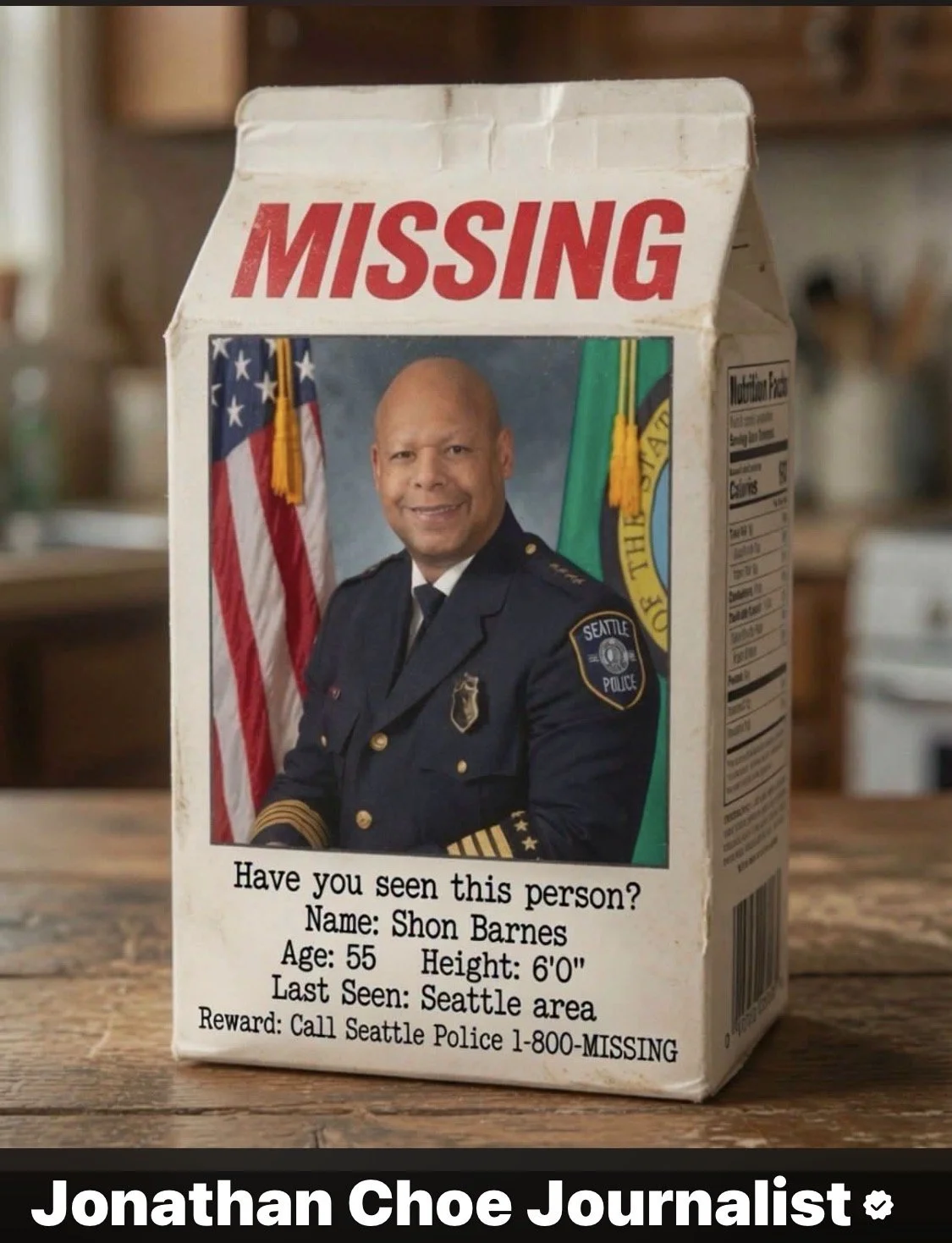
The Chief.
Whether he was in Seattle.
Whether he was in Dallas.
Whether he should have been here.
Whether he's been fired.
Whether he's been asked to resign.
Fine. Those are legitimate questions.
But if that's where this conversation ends, then congratulations...
You just missed the entire fucking point.
I've spent twenty-five years inside the Seattle Police Department.
Not behind a keyboard.
Not armchair quarterbacking on Facebook.
Actually doing the job.
Patrol.
Sergeant.
Lieutenant.
Watch Commander.
I've run critical incidents.
I've lived Incident Command.
And what I'm seeing isn't just a failure.
It's a catastrophic command failure.
STOP ASKING ABOUT THE CHIEF FOR FIVE FUCKING MINUTES.
Start asking this:
WHO WAS THE INCIDENT COMMANDER?
That's the person who owned this incident.
Not Twitter.
Not the Mayor.
Not the City Council.
Not the media.
The Incident Commander.
Until command is formally transferred, the IC is responsible for the operation.
Period.
So who was it?
Why is nobody asking?
Why is nobody demanding that answer?
Public Safety Is Not a Fucking PR Strategy.
I've heard claims that information wasn't released immediately because officials were waiting for dignitaries.
If that's true, that's outrageous.
If it's false, then explain what happened.
Because here's how command works:
If there is an active public safety threat, you don't sit on information while politicians find a podium.
You warn the public.
Immediately.
Your first responsibility is protecting lives—not protecting headlines.
People don't give a shit whether your press conference looks polished if they're unknowingly walking toward danger.
And Can We Stop Playing Word Games?
"Youth groups."
Seriously?
If investigators determine this was gang-related violence, then call it gang-related violence.
Stop dressing ugly realities up in language that sounds better in a committee meeting.
The public deserves clarity, not euphemisms.
Truth isn't offensive.
Confusion is.
The Officers Did Their Job.
Let's make something crystal fucking clear.
The cops on the street don't deserve this.
When the shooting started, they ran toward it.
They treated victims.
They secured scenes.
They did what cops have always done.
This isn't about them.
It's about the people making command decisions above them.
Leadership exists for one reason:
To make the hard decisions when everything is going to hell.
That's what they're paid for.
You Want Accountability? Here's Where You Find It.
Not in the incident report.
People keep saying, "The report doesn't say much."
No shit.
That's normal.
The answers aren't in the first report.
They're in the records leadership hopes nobody asks for.
Request the CAD log.
Request the radio traffic.
Request the MDT messages.
Request the command emails.
Request the text messages.
Request the Operations Order.
Request the Incident Command documentation.
Request the command log.
Request the personnel assignments.
Request the body-worn video.
Request the follow-up reports.
Request the officer statements.
Request the After Action Report.
That's where command decisions live.
That's where timelines live.
That's where accountability either stands tall...
...or falls flat on its face.
This Is Bigger Than One Chief.
Maybe the Chief stays.
Maybe he goes.
Maybe he's already gone.
Frankly, that's not even my biggest concern.
Because if all Seattle does is swap out one face at the top while ignoring the command failures underneath, then absolutely nothing has been fixed.
That's called finding a scapegoat.
Not solving a problem.
I Wrote About This Before I Retired.
When I left the Seattle Police Department, I wrote an exit letter.
It wasn't a retirement speech.
It was a warning.
I warned that operational leadership was taking a back seat to politics, bureaucracy, and optics.
I warned that experience matters.
I warned that command isn't something you fake when the cameras show up.
Leadership isn't giving a polished press conference after the fact.
Leadership is making the right decision while people are still bleeding.
Leadership is telling the public the truth, even when it's inconvenient.
Leadership is having the backbone to say, "I don't care who's waiting for the microphone—we're putting out the information now."
That's command.
Or at least...
It used to be.
Here's My Question.
Not "Where was the Chief?"
Not "Who's getting fired?"
Not "Who gets blamed?"
My question is simple.
Who was the Incident Commander?
Who had operational control?
Who made the command decisions?
Who decided what information went out—and when?
Who owns those decisions?
Because somewhere there's an ICS chart with a name on it.
Somewhere there's a command log.
Somewhere there's a timeline.
Release it.
Let the public see it.
If command did everything right, they'll have nothing to hide.
If command didn't...
Seattle deserves to know that too.
Because public trust isn't rebuilt with another press conference.
It's rebuilt with transparency.
And right now...
Seattle doesn't need another fucking speech.
Seattle needs answers. NOW.
Also, since the department NO LONGER has a Patrol Ops Asst. Chief, here is who is charge.
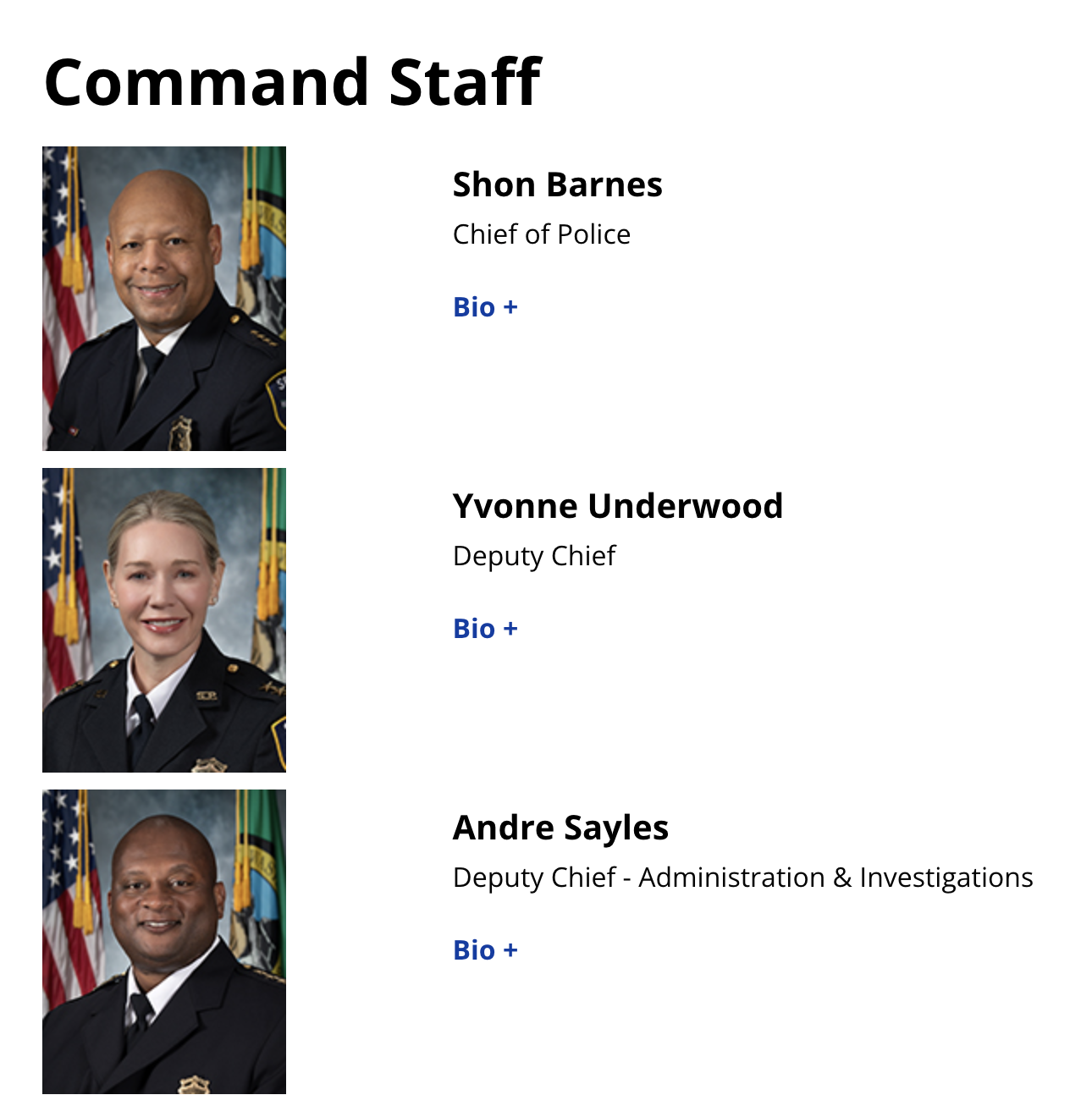
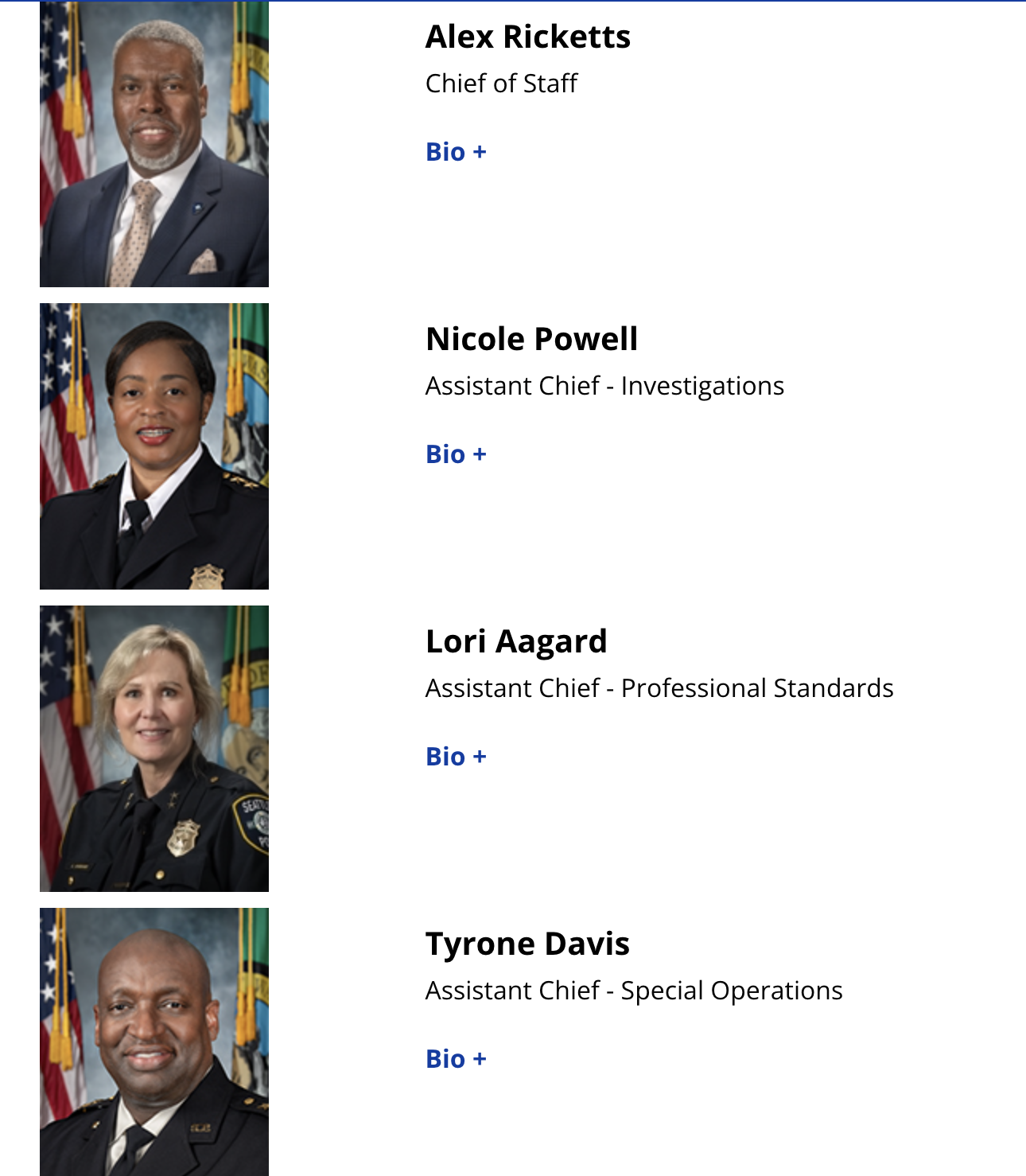
The Seattle Police Department no longer utilizes a standalone Assistant Chief specifically assigned to a "Patrol Operations Bureau". Instead, all frontline neighborhood patrol precincts and response forces are managed directly under the Office of the Deputy Chief, led by Deputy Chief Yvonne Underwood.
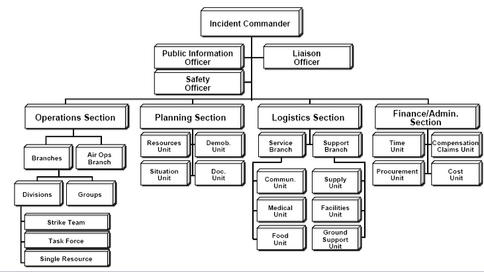
A common ICS structure